Tips for Creating a Relaxing Home Office Environment

Working from home has become a regular part of life for many people, making the home office a crucial space. Creating a relaxing home office environment isn’t just about aesthetics—it also helps reduce stress, increase focus, and improve overall work performance. In this post, we’ll share practical tips to help you design a workspace that feels calm, inviting, and productive.
Why a Relaxing Home Office Matters
A peaceful work environment can make a significant difference in how you approach your tasks. Stress and distractions tend to drain energy and creativity. When your office feels soothing and well-organized, you’re more likely to maintain focus and enjoy your work.
Choosing the Right Location
Find a Quiet Spot
If possible, select a room or corner in your home that is relatively quiet and free from frequent interruptions. This could be a spare room, a nook by a window, or even a section of your living room.
Consider Natural Light
Natural light boosts mood and energy. Position your desk near a window to take advantage of daylight. If natural light is limited, invest in a good desk lamp with adjustable brightness and color temperature.
Organizing Your Workspace
Declutter Regularly
Keeping your desk clear of unnecessary items helps create a sense of calm. Only keep essential tools within reach, like your computer, notebook, pen, and a few personal items.
Use Storage Solutions
Shelves, drawers, and organizers can keep supplies tidy and out of sight. Flexible storage options help maintain order and prevent clutter from accumulating.
Choosing Comfortable Furniture
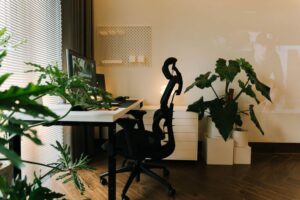
Invest in an Ergonomic Chair
Comfort is key when sitting for long periods. An ergonomic chair supports your back and promotes good posture, reducing fatigue and discomfort.
Select the Right Desk Height
Your desk should allow your forearms to rest comfortably parallel to the floor when typing. Adjustable desks or those with enough legroom can make a big difference.
Adding Calming Elements
Bring in Plants
Indoor plants improve air quality and add a touch of nature. They have a calming effect that can reduce stress.
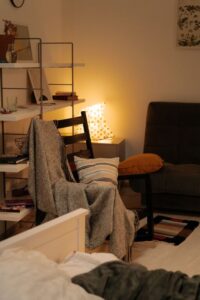
Incorporate Soft Textures
Add a cozy rug or cushion to soften the space and increase comfort. These elements can also reduce noise and create a warmer atmosphere.
Choose Relaxing Colors
Neutral or soft colors like shades of blue, green, or beige promote relaxation. Avoid overly bright or harsh colors that can cause eye strain or distraction.
Minimizing Distractions
Manage Noise
Consider noise-canceling headphones if you can’t control the surrounding sounds. Soft background music or white noise machines can also help mask distractions.
Limit Digital Interruptions
Turn off non-essential notifications and schedule breaks to check emails or messages. This helps maintain focus during work sessions.
Personalizing Your Space
Adding personal touches can make your office feel more inviting and uniquely yours. Display photos, artwork, or inspirational quotes that motivate you and make the environment positive.
Taking Breaks and Moving
Even in a relaxing office, it’s important to take regular breaks. Stand up, stretch, or take a short walk to refresh your mind and body. Setting a timer or using productivity techniques like the Pomodoro method can remind you to pause.
Maintaining a Routine
Having a consistent schedule helps your brain associate your workspace with work time, making it easier to focus. At the end of the day, tidy your desk to separate work from personal life and create a signal that your workday is over.
—
A relaxing home office environment combines thoughtful design, comfort, and organization. By implementing these tips, you can create a space that supports your wellbeing and productivity, turning your work-from-home experience into a positive and enjoyable part of your day.